

Kettlebell Workouts for Endurance Athletes: Swings and Snatches


Dealing with a nagging injury or tightness?
Get instant recovery guidance, stretching protocols, and rest advice right now without leaving the site. Try asking Raye: 'What are the best stretches to relieve tight calves after a long run?' Get recovery advice
The Synergy of Strength and Stamina
For the endurance athlete, the traditional approach of logging endless miles often comes at the expense of explosive power and structural integrity. Integrating kettlebell training into your routine is no longer a niche choice; it is a strategic necessity for those looking to shave seconds off personal bests. The kettlebell swing and the snatch are not merely gym movements; they are high-velocity, ballistic exercises that replicate the kinetic demands of running and cycling while fortifying the posterior chain.
By engaging the glutes, hamstrings, and core in a synchronous, rhythmic fashion, these movements develop a level of work capacity that steady-state cardio cannot replicate. The goal is to create a robust chassis that can withstand the repetitive impact of endurance sports while maintaining optimal force production under fatigue. This is the intersection where raw strength meets metabolic efficiency.
How can I start out?
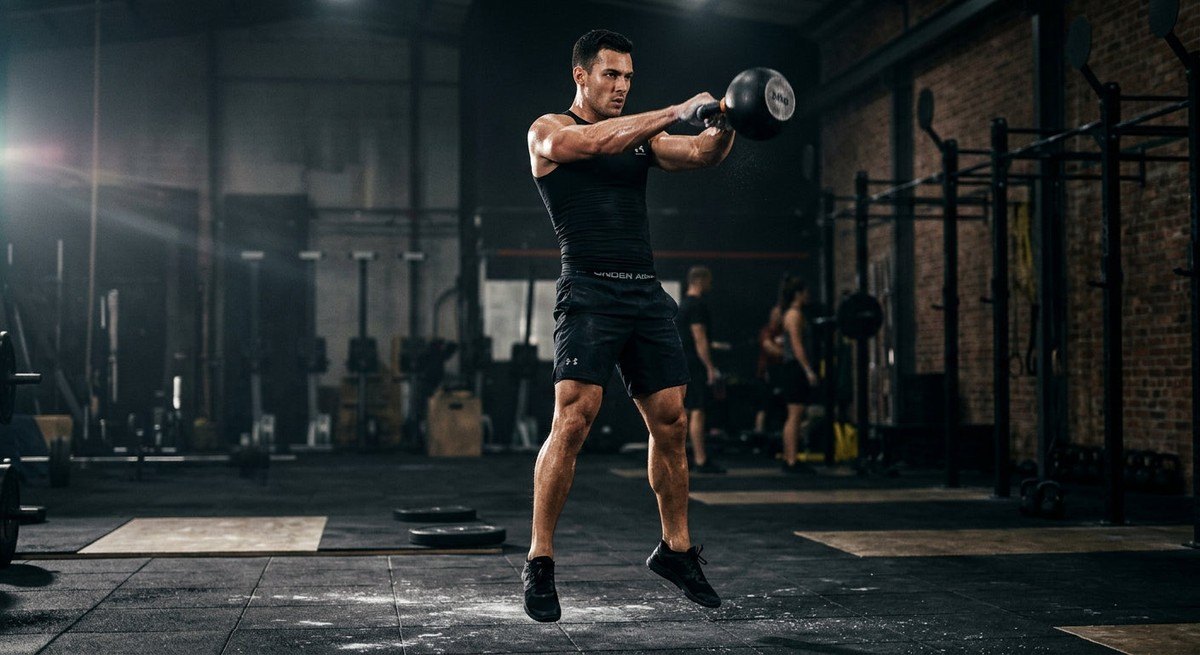
Before attempting high-volume snatch work, you must master the hinge pattern. The kettlebell swing is the foundational movement. Stand with feet shoulder-width apart, grip the bell, and initiate the movement by pushing the hips backward—not squatting. The power comes from the explosive snap of the hips, propelling the weight forward through sheer posterior engagement.
Begin with a manageable weight—typically 12kg or 16kg for men and 8kg or 12kg for women. Perform 5 sets of 10 swings on the minute (EMOM) for 10 minutes. This format allows for adequate recovery while maintaining a high heart rate. Focus on the 'float' at the top of the swing; the bell should feel weightless for a split second, indicating that your hip drive was the catalyst for the movement.
Once the swing is mastered, introduce the snatch. The snatch is a vertical pull that requires a smooth transition from the floor to an overhead lockout. Start by practicing the high-pull, ensuring the elbow stays close to the body. Only when the trajectory is vertical and the bell does not 'thump' against the forearm should you progress to the full snatch. Keep initial sessions short, focusing on technique rather than volume to avoid overuse injuries.
Tips for Improving
To truly reap the benefits of these ballistic movements, you must prioritise consistency over intensity in the early stages. Endurance athletes often make the mistake of treating kettlebell work like a marathon, grinding out hundreds of reps with poor form. Instead, treat each repetition as a singular expression of power. If your form breaks down, your set is over.

Have a quick training or recovery question?
Get fast expert advice right here on the page—no sign-up, account, or app needed. Try asking Raye: 'What's the best way to relieve tight calves after a run?' Ask a question now
Periodisation is key. During your base-building phase, incorporate two kettlebell sessions per week. Use a 'heavy-light' approach: one session focused on higher-rep, lower-weight swings for endurance, and the second session focused on lower-rep, heavier snatches for explosive power. This balance prevents central nervous system burnout while ensuring your muscles receive the necessary stimulus to adapt.
Monitor your recovery rigorously. If your resting heart rate spikes or your running gait feels heavy, dial back the intensity. Kettlebell training is a stressor, and it must be integrated into your existing training load with precision. Use your heart rate variability (HRV) as a guide; on days when your recovery scores are low, swap a heavy snatch session for mobility work or light swings.
Special Features & Technical Specifications
Material Composition
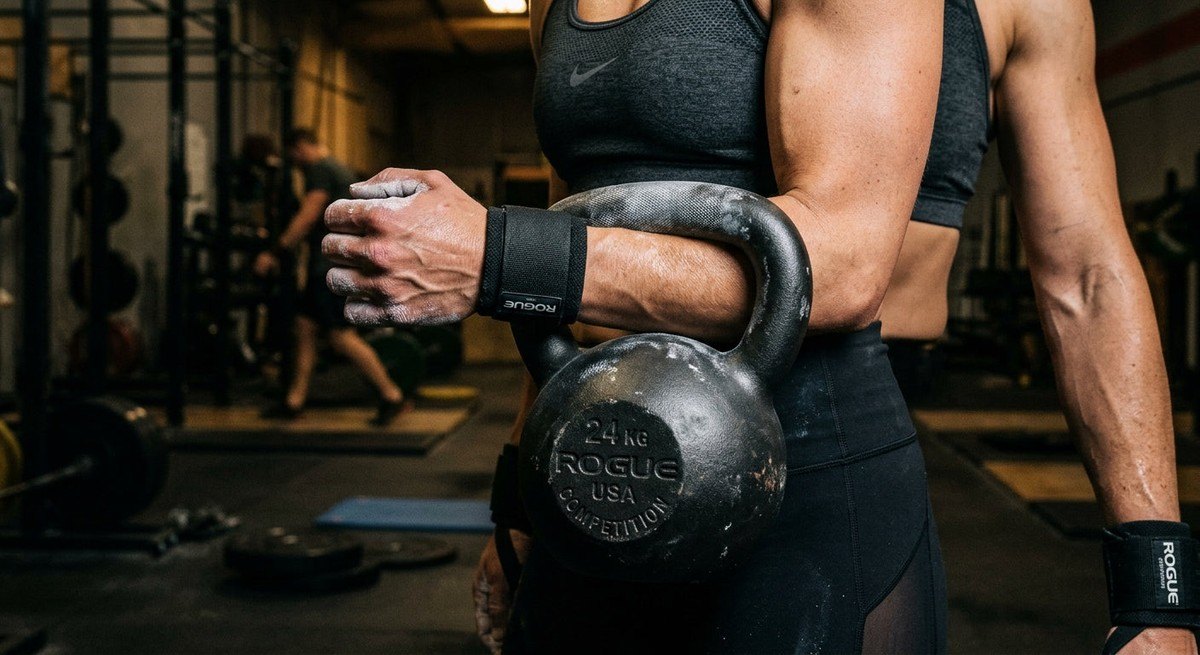
Modern competition kettlebells are constructed from high-grade steel, offering a consistent shell thickness and a uniform centre of gravity regardless of weight. Unlike cast iron bells that increase in size as they get heavier, competition steel bells maintain the same physical dimensions, ensuring your technique remains identical throughout your training progression.
Physical Dimensions and Engineering
The standard competition bell features a 35mm handle diameter, which is critical for grip endurance. The window of the bell is engineered to be wide enough for comfortable forearm clearance during the snatch transition, reducing the incidence of bruising. Weight increments are standardised, typically moving in 2kg or 4kg steps, allowing for granular progression in your training cycles.
Weight and Performance Changes
Compared to previous generations of iron kettlebells, these steel variants provide superior balance during the overhead lockout position. The shift in manufacturing towards gravity-casting has eliminated the common issues of internal rattling or uneven weight distribution, providing a stable, predictable tool that is essential for the high-velocity demands of an endurance-focused strength programme.
Ultimately, the marriage of kettlebell ballistic training and endurance sport is about building a more resilient athlete. By mastering the swing and the snatch, you are not just lifting weights; you are training your body to be more efficient, more explosive, and more capable of sustaining performance when the physical cost becomes high. Step onto the mat with intent, focus on the mechanics, and watch your endurance metrics transform.


